
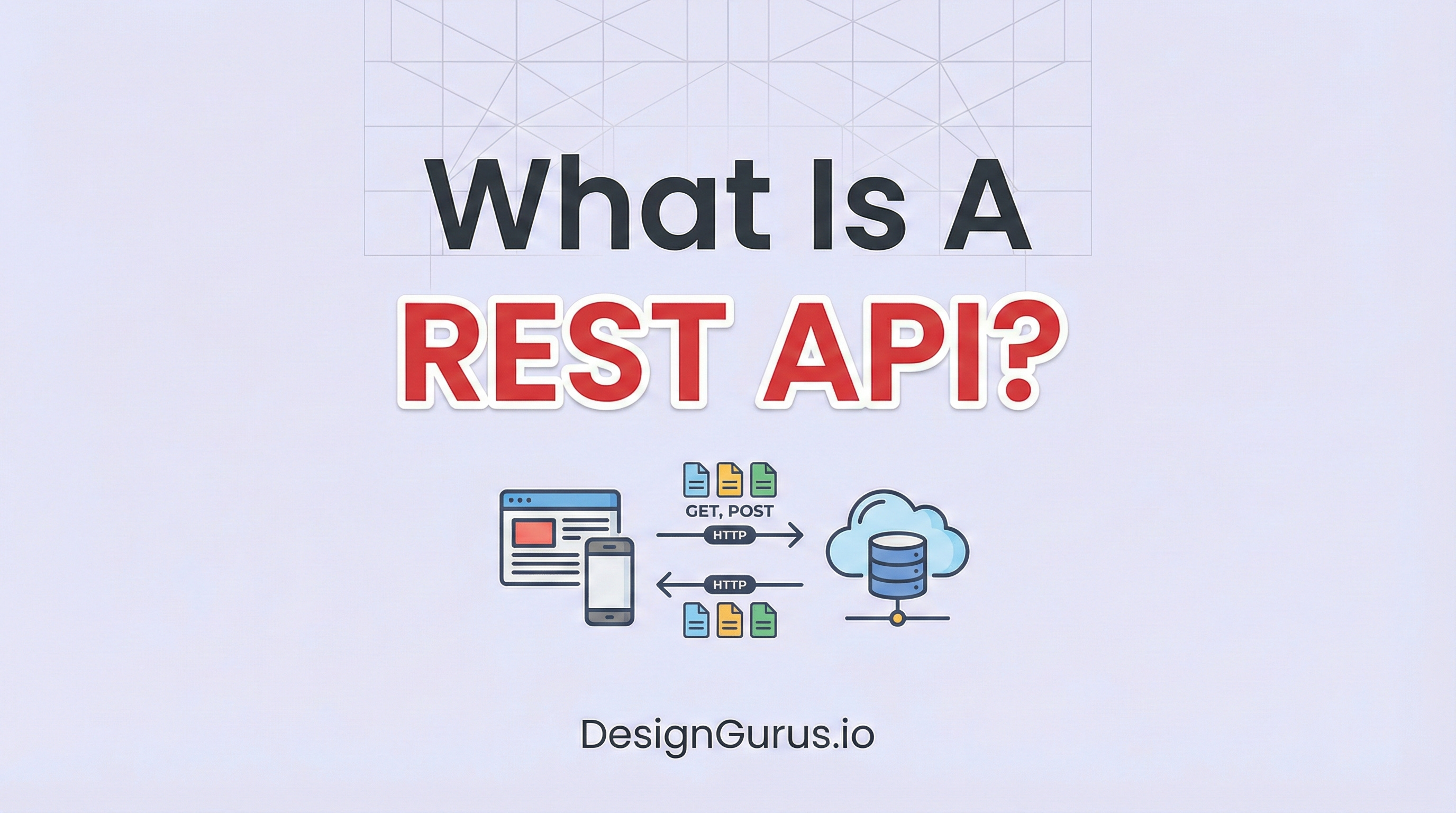
The Anatomy of a REST API: Client-Server Architecture Explained
Learn what a REST API is and how it enables software communication in this beginner friendly technical guide.

Modern software architecture relies heavily on entirely isolated components operating across different network environments.
Frontend interfaces and backend databases operate as completely independent entities. These separated systems utilize different programming languages and internal logic.
This fundamental separation creates a massive technical barrier for digital communication.
Without a highly standardized method to exchange structured information, connecting distinct systems requires fragile custom code.
Software components desperately need a universal protocol to transmit data securely. They require a predictable and uniform method to send and receive information over the public internet.
This communication problem remains the central technical hurdle in building distributed systems. Solving this core problem is absolutely critical for building scalable web architecture. A standardized communication framework forms the operational backbone of the internet today. Without this framework, modern digital platforms simply could not function reliably.
A Representational State Transfer Application Programming Interface solves this exact architectural problem. It establishes a strict set of rules for how different software applications should request and exchange information.
Consider a mobile application requesting a user profile from a remote server. The mobile application forms a standardized network message containing a specific identification number.
The application sends this message securely over the internet. The backend server reads the message and retrieves the corresponding database record. The server then formats this internal data into a simple text document. Finally, the server sends this formatted text back to the mobile application.
What is a REST API?
To fully understand this concept, we must define the individual technical terms.
API stands for Application Programming Interface. It acts as a strict digital contract between two independent software programs. It dictates exactly what data requests can be made and how the data will be formatted.
REST stands for Representational State Transfer. It is not a downloadable software library or a specific programming language.
Instead, it is a broad architectural style used to design networked applications. When a software interface follows the specific design principles of this architecture, it becomes a REST API.
The core idea centers around treating all data as a digital resource.
When a client application needs to interact with a specific resource, it asks the server for a representation of its current state. The server then packages that state into a text format and transfers it back across the network.
Most modern implementations use a data format called JSON.
JSON stands for JavaScript Object Notation. It is a lightweight format consisting of simple text based key and value pairs.
This format is incredibly easy for machines to parse and highly readable for human developers.
The Core Principles of REST Architecture
A system must adhere to several strict constraints to be considered truly RESTful. These constraints ensure that the system remains scalable, reliable, and easy to modify over time.
Let us look closely at what these principles require and how they function.
Client and Server Separation
The first principle enforces a strict separation of architectural concerns.
The client is the application interface making the network request.
The server is the backend application holding the data and processing the business logic.
These two distinct entities must remain completely independent of one another. The client should never concern itself with data storage algorithms or backend database queries. The server should never concern itself with user interfaces or how data is visually displayed on a screen.
Because of this strict separation, both sides can evolve independently. Developers can completely rewrite the frontend application without touching a single line of backend server code.
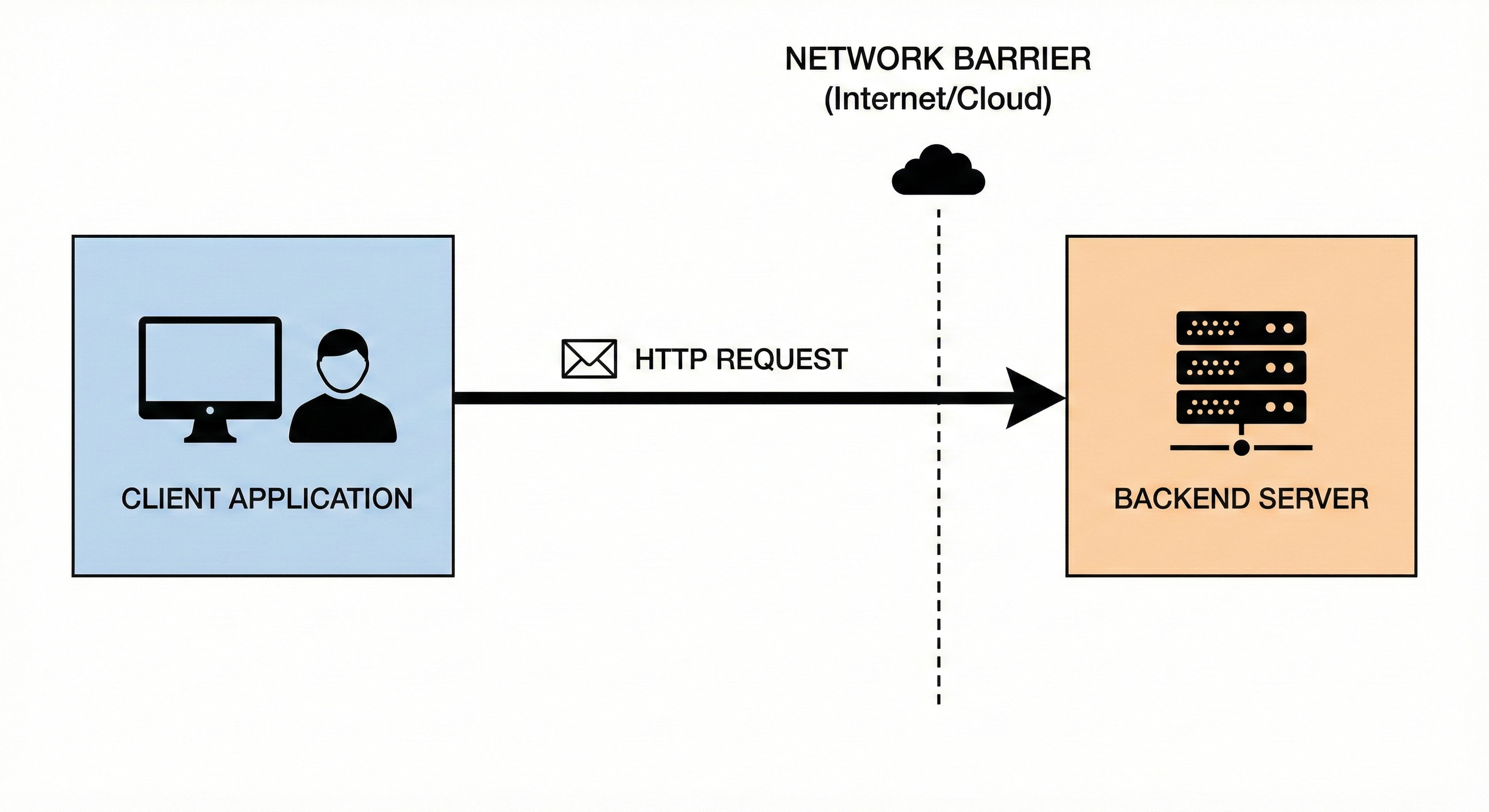
This modularity is essential for large engineering teams working concurrently.
The Concept of Statelessness
This is perhaps the most critical concept in distributed system design.
Statelessness means that the server does not store any memory of past network requests. Every single request sent from the client to the server must contain all the information necessary to process that specific action.
The server does not keep track of login sessions in its active memory.
Keep reading with a 7-day free trial
Subscribe to System Design Nuggets to keep reading this post and get 7 days of free access to the full post archives.