
System Design Interview: How Long It Really Takes to Get Interview-Ready
Find out how many months it really takes to learn system design fundamentals and transition from basic coding to complex network architecture.

Software applications often face a critical breaking point when digital traffic surges unexpectedly. The underlying hardware powering the application simply runs out of computational capacity.
A single web server handles network requests perfectly under a light daily load. However, when millions of concurrent login requests hit that exact same server, the hardware physically reaches its absolute limits.
The processor cannot compute operations fast enough. The active memory fills up completely. The application ultimately crashes and drops all active connections. System design exists entirely to solve this specific technical failure.
By distributing workloads across hundreds of different physical machines, applications can process massive amounts of data without crashing. Moving from writing basic code to architecting distributed networks requires a massive shift in technical thinking.
Understanding exactly how long it takes to master these complex concepts is essential for interview preparation.
The Core Concept of Distributed Systems
Transitioning to system design means moving away from single computers.
A distributed system is a collection of independent computers that work together.
To the end user, these computers appear as one single application. Designing these systems is the main focus of technical interviews.
When a concept is complex, it helps to look at what happens behind the scenes.
In a standard setup, a browser sends a request to a server. The server computes the logic and sends back a response. If one million browsers send requests simultaneously, that single server will fail.
The solution is not just buying a bigger computer.
Engineers must connect multiple standard computers together to share the workload.
This approach ensures the application stays online even if one computer breaks. Learning how to connect and manage these machines is what system design preparation is all about.
Month One - Focus on Server Architecture
Most developers need roughly three to four months to become interview-ready.
This timeline assumes basic coding knowledge already exists.
The first month is dedicated entirely to understanding how servers handle incoming network traffic.
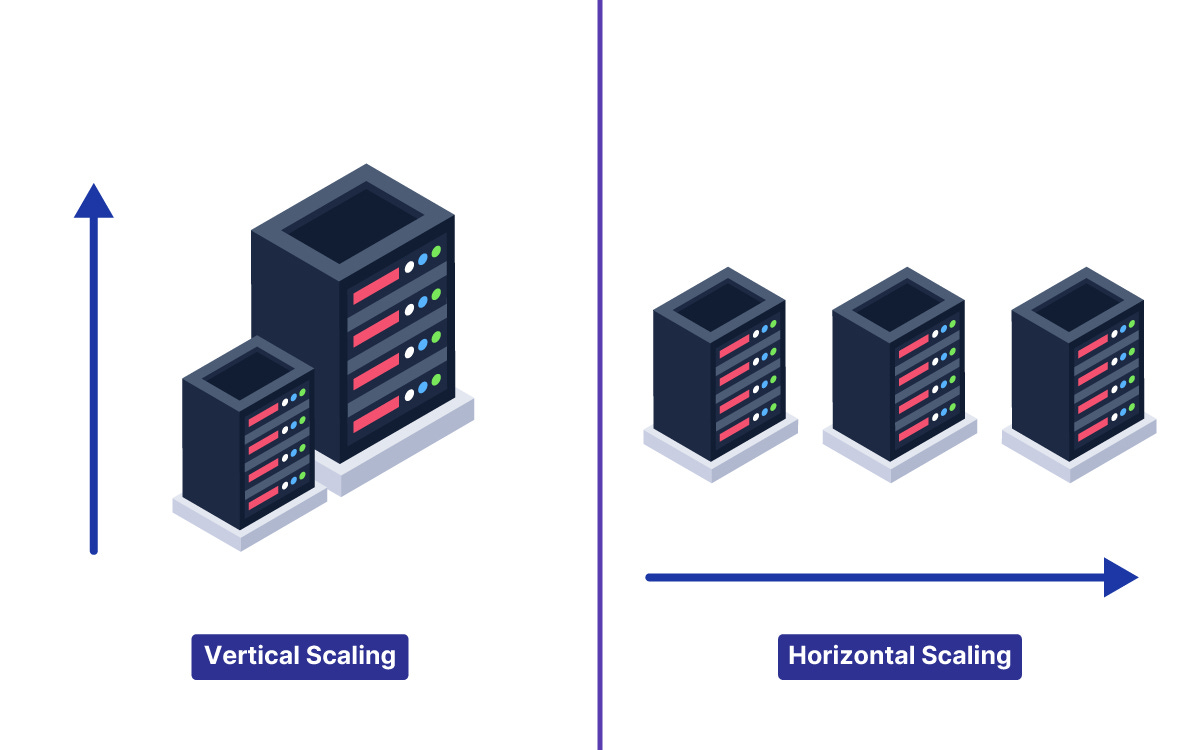
The Limits of Vertical Scaling
When a server reaches its processing limit, engineers must increase its computing capacity. The most immediate solution is vertical scaling.
This method involves upgrading the existing machine with more memory and a faster processor.
While simple to implement, vertical scaling has a strict hardware limitation.
A single computer motherboard can only hold a specific amount of physical hardware.
Once a machine is fully upgraded, it cannot grow any further.
Relying on a single upgraded machine also creates a massive single point of failure.
If that machine loses power, the entire software application goes offline entirely. This massive risk makes vertical scaling unsuitable for modern web applications.
Embracing Horizontal Scaling
To remove hardware limitations entirely, engineers utilize horizontal scaling.
Instead of upgrading one massive computer, this approach adds dozens of smaller standard servers to the network. These servers work together simultaneously to share the overall computational workload.
If the network needs more processing power, engineers simply deploy additional servers. This approach offers virtually infinite growth potential for the application. It also provides built in redundancy for the entire network infrastructure.
If one specific server experiences a hardware failure, the other servers continue processing requests.
System design interviews almost exclusively focus on horizontal scaling methodologies. Mastering this concept is the very first step toward technical readiness.
Distributing Traffic with Load Balancers
Adding multiple servers introduces a brand new technical challenge.
The system needs a dedicated mechanism to decide which server should process each incoming request.
A load balancer is a specialized server that acts as the primary gateway for the network.
It sits directly between the incoming user traffic and the application server cluster. When a network request arrives, the load balancer receives it first. It maintains a continuous list of healthy and active backend servers.
The load balancer checks the current network traffic and forwards the incoming request. It sends the request to the server with the lowest active workload.
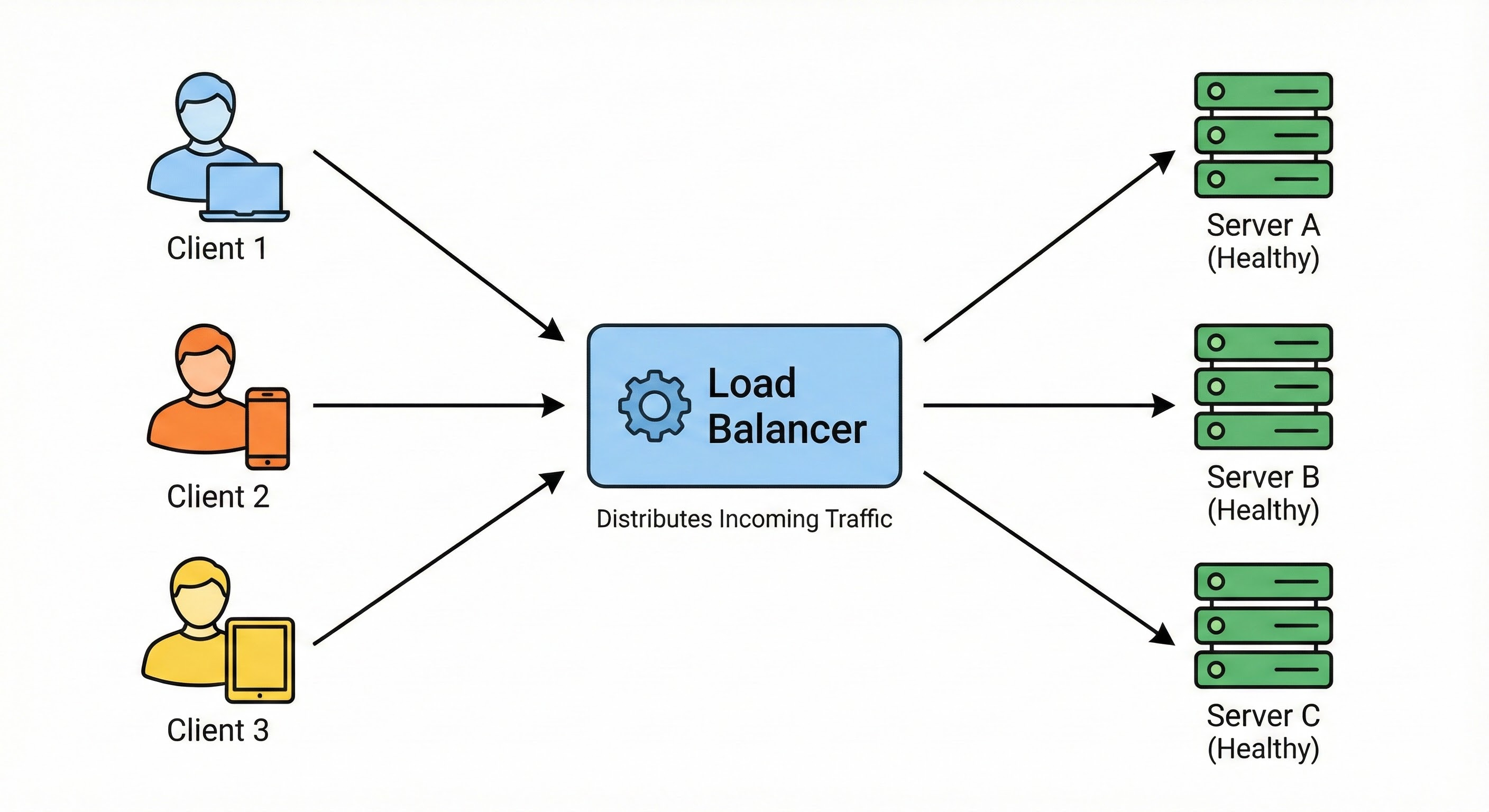
If a backend server crashes unexpectedly, the load balancer immediately detects the failure.
It automatically stops sending new traffic to the dead server. This ensures that user requests are only ever processed by fully functional machines.
Learning to design architectures with load balancers takes up a significant portion of the first month.
Month Two Explores Database Scaling
Once the application servers are properly scaled, the primary database becomes the next major bottleneck. Application servers are usually stateless.
This means they do not store persistent user data locally.
All servers must read and write data to a central database system.
Learning how to scale data storage takes another full month of intense study. Data management requires balancing reading speed against writing accuracy.
The Database Bottleneck
A database is an organized system used to store and retrieve digital information efficiently.
Traditional systems use a relational database which stores data in rigid tables. When thousands of requests attempt to read and write data simultaneously, a single database will lock up.
Keep reading with a 7-day free trial
Subscribe to System Design Nuggets to keep reading this post and get 7 days of free access to the full post archives.