
The 2026 System Design Interview Cheat Sheet: Every Core Concept on One Page
Every Core Concept, Component, Pattern, and Trade-off You Need for System Design Interviews in 2026, Compressed Into One Clean Reference Built for Real Interview Performance

System design interviews can feel like trying to drink from a firehose.
There are hundreds of concepts, dozens of patterns, and endless famous architectures floating around online.
Most engineers preparing for these interviews bounce between scattered blog posts, video tutorials, and books, hoping to absorb enough to perform well.
The problem is that scattered studying leads to scattered thinking, and scattered thinking shows up clearly in interviews.
A focused cheat sheet solves this problem.
Instead of trying to learn every concept in detail, the candidate keeps the most important ones in one place.
This trains the mind to think in clear categories.
When the interview starts, the candidate is not searching through a mental jungle. They are pulling from a clean shelf.
System design also keeps changing.
The concepts that mattered in 2020 are not the same ones that matter in 2026.
New patterns have appeared. New tools have become standard. Some classic answers now sound dated.
A cheat sheet that is not refreshed for the current year will quietly hurt the candidate without them noticing.
This guide compresses the entire system design interview universe into one structured reference.
It covers the fundamental ideas, the components that show up again and again, the patterns interviewers expect, the trade-offs every candidate must know, and the trends that define 2026. It is built for junior engineers, senior engineers, and staff engineers alike.
Section One: The Mindset Before the Cheat Sheet
Before any concept matters, the right mindset has to be in place.
Without it, the cheat sheet becomes a list to memorize instead of a tool to think with.
System design interviews are not about reciting the perfect answer. They are about showing structured thinking under pressure.
The interviewer wants to follow a calm, organized mind.
The cheat sheet is meant to support that mind, not replace it.
The candidate should also accept that trade-offs are everywhere. Every choice in system design gives up something.
The cheat sheet helps the candidate see the choices clearly, so they can talk about the costs out loud.
With this mindset locked in, the rest of the cheat sheet does its job.
Section Two: The Core Concepts Every Engineer Must Know
This section covers the ideas that almost every interview question touches.
Scalability
This is the system’s ability to handle more load over time.
Two main approaches exist.
Vertical scaling means making one machine bigger.
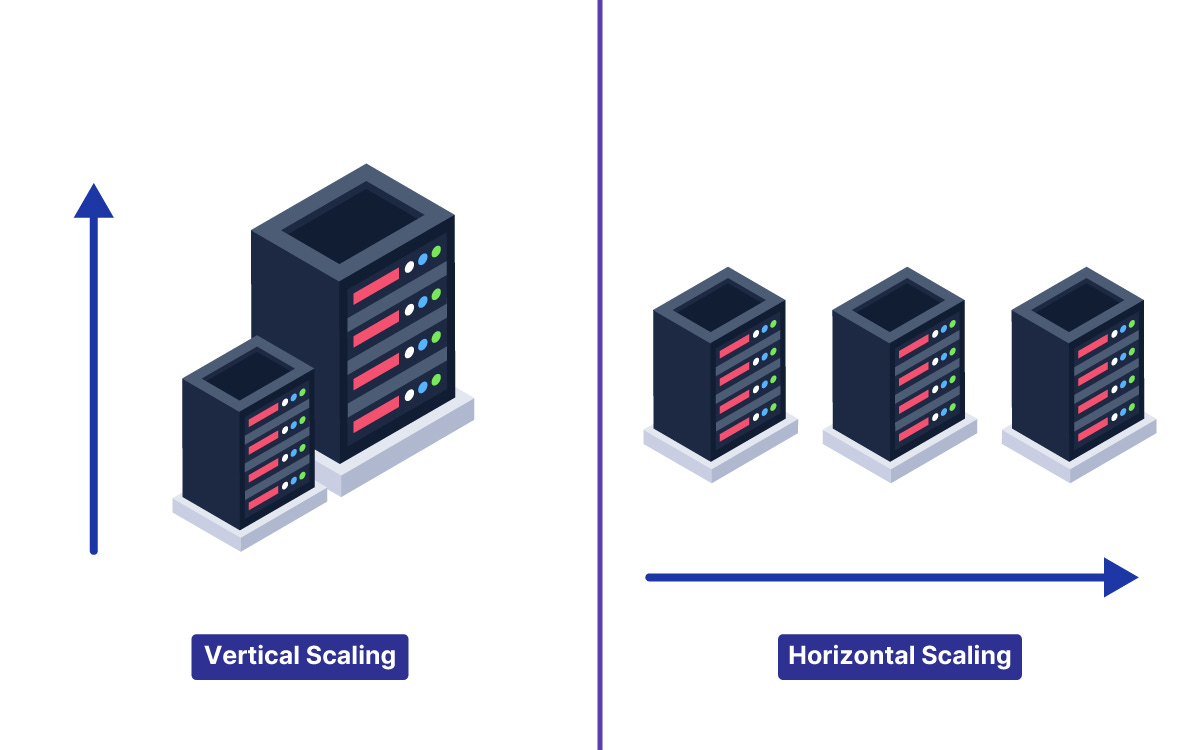
Horizontal scaling means adding more machines. Most modern systems rely on horizontal scaling because one machine has a hard limit.
Availability
Availability is how often the system is up and responding correctly. It is usually written as a percentage of uptime. Higher availability needs redundancy, failover, and well-designed recovery paths.
Reliability
Reliability is how often the system produces correct, expected results. A system can be available but unreliable if it returns wrong answers or fails silently.
Latency
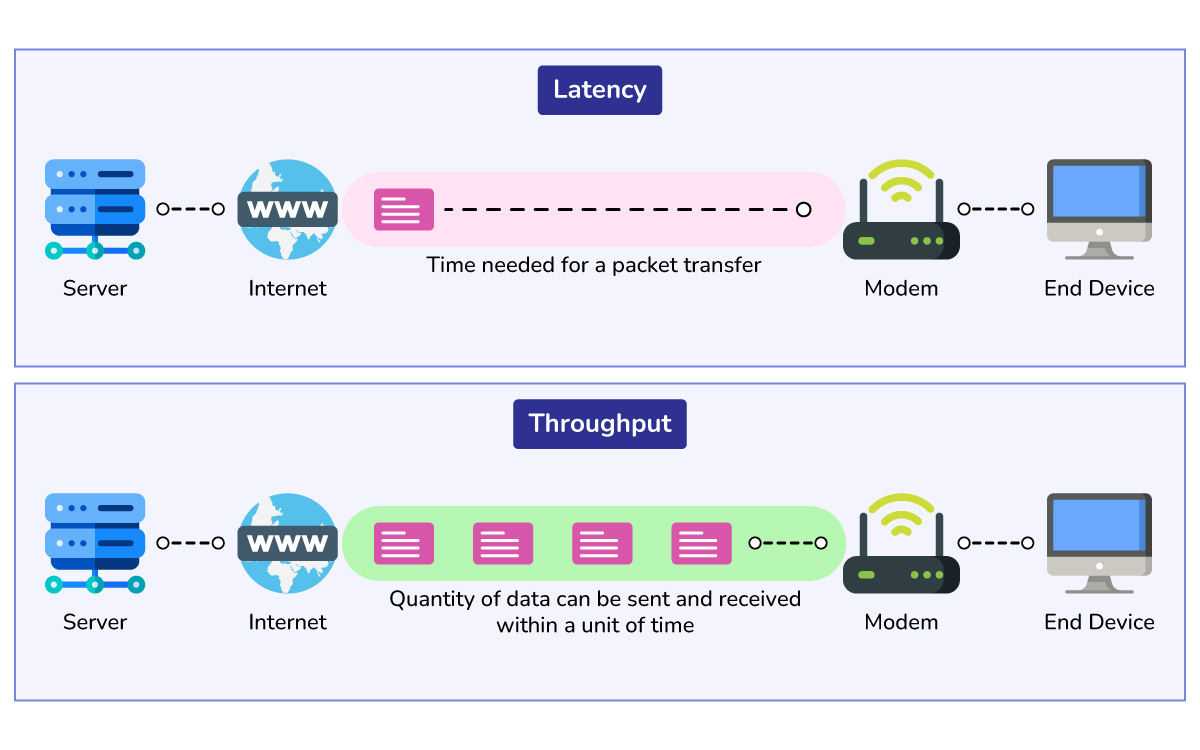
Latency is the time it takes for one request to complete. Low latency systems feel fast. High latency systems feel sluggish even if they handle a lot of traffic.
Throughput
Throughput is the number of requests the system can process per second. A system can have low latency and low throughput at the same time, or high latency and high throughput.
The two are different dimensions.
Consistency
When the system has multiple copies of data, those copies can fall out of sync. Consistency is the rule about how synced they must be.
Strong consistency means every read sees the latest write.
Eventual consistency means the copies will agree given enough time.
The CAP Theorem
In a distributed system, three properties matter: consistency, availability, and partition tolerance.
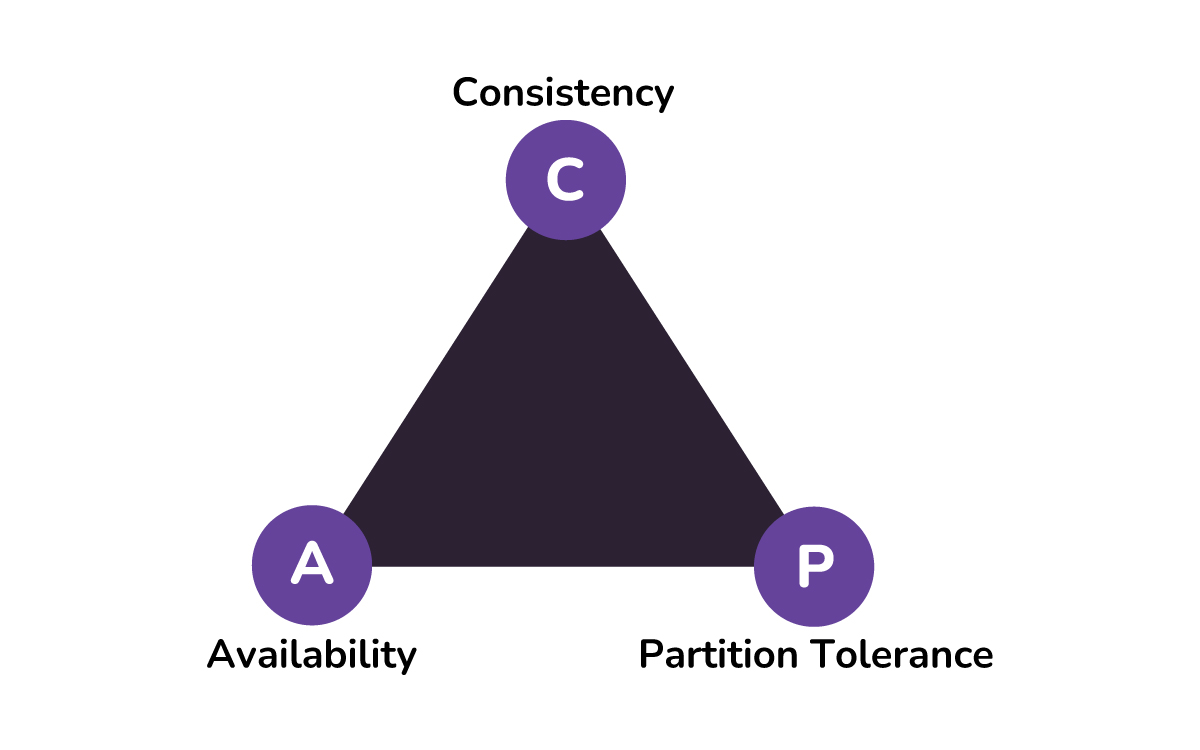
The theorem says only two can be fully guaranteed at the same time.
The cheat sheet does not require deep memorization of this idea, but the candidate should be able to explain it in plain terms.
PACELC
This is a follow-up to the CAP theorem that is becoming more popular in modern interviews. It says even when there is no partition, the system still trades off latency and consistency.
Mentioning PACELC in 2026 signals that the candidate is current.
Idempotency
An operation is idempotent if running it many times has the same effect as running it once. This concept matters for APIs, retries, and payment systems.
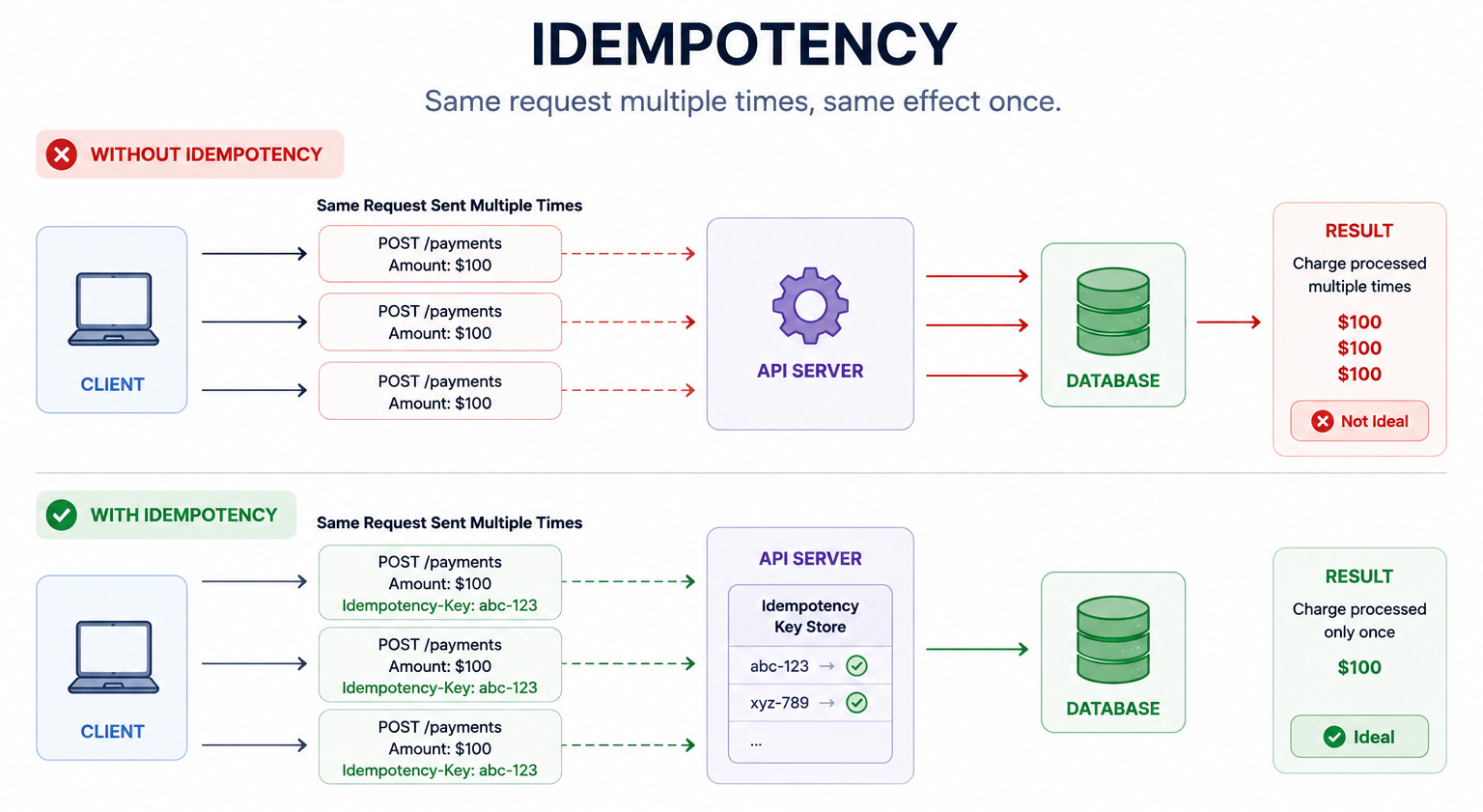
The cheat sheet should always have this in mind.
Fault Tolerance
This is the system’s ability to keep working when something breaks. It comes from redundancy, retries, circuit breakers, and graceful degradation.
Section Three: The Building Blocks of Every Large System
These are the parts that show up in almost every interview answer.
The candidate should know each one well enough to sketch it and explain it in plain language.
Clients
A client is the thing that makes a request. Usually a phone app, web browser, or another service.
The client is the start of every interaction.
Servers
A server is the thing that answers requests. It does the work and sends back a response.
Servers are the workhorses of the system.
Load Balancers
A load balancer sits in front of multiple servers and decides which one handles each request. It spreads the work evenly.
Without load balancers, large systems fall apart quickly.
Databases
A database stores the system’s data so it can be used later. Two main categories matter for interviews.
SQL databases use tables and strict structure.
NoSQL databases use flexible formats and scale horizontally with ease.
Caches
A cache is a fast storage layer that holds frequently used data. It reduces load on the database and speeds up responses.
Common patterns include cache-aside, write-through, and write-back. Each one has trade-offs.
Content Delivery Networks
A content delivery network, or CDN, stores copies of static files in many locations around the world.
Users get faster responses because they receive content from a nearby location.
Message Queues
A queue is a waiting line for tasks.
The system places tasks into the queue, and background workers pick them up and process them. This decouples the system and keeps the main path fast.
Event Streams
Event streams are like queues but for continuous flows of data. They are common in modern systems for real-time pipelines, analytics, and event-driven architectures.
APIs
An API is the contract for how parts of the system communicate.
The two most common styles are REST, which uses simple HTTP requests, and gRPC, which is faster and uses a more compact format.
Object Storage
Object storage holds large, unstructured files like images, videos, and logs. It is cheap and scales easily.
Search Indexes
Search indexes speed up queries that look for specific content. They are common in any system with search functionality.
Vector Databases
These store embeddings used by AI and machine learning systems. They are newer and more important in 2026 than ever before. Any system with AI features tends to involve a vector database somewhere.
Section Four: Patterns That Show Up Across Interviews
Beyond the building blocks, certain patterns repeat across many designs.
The cheat sheet captures the most common ones.
Read-Heavy vs Write-Heavy
The shape of the system changes based on whether reads or writes dominate.
Read-heavy systems use caching and read replicas.
Write-heavy systems use sharding, async processing, and write-friendly databases.
Sharding and Partitioning
When data grows too big for one machine, the system splits the data across multiple machines.
Common methods include hash-based sharding, range-based sharding, and geography-based sharding.
Replication
Replication makes copies of data across machines for reliability and faster reads.
The cheat sheet should include the difference between primary-replica setups, where one machine handles writes, and multi-primary setups, where multiple machines accept writes.
Pub/Sub and Event-Driven Architecture
In this pattern, one part of the system publishes events. Other parts listen and react. This is the backbone of many modern systems.
Microservices vs Monoliths
A monolith is a single large application.
Microservices break the application into smaller services that talk to each other. Each approach has trade-offs that interviewers expect candidates to understand.
Asynchronous Communication
When one service does not need an immediate answer from another, it can send the request asynchronously. This makes the system faster and more resilient.
Multi-Region Architecture
Modern systems often run in multiple regions for reliability, lower latency for users in different countries, and disaster recovery. This pattern is now expected in 2026 answers.
Real-Time Systems
Real-time updates, such as live notifications and live chats, are the default in most modern products.
The cheat sheet should include the basic ideas behind real-time delivery, such as persistent connections, push models, and event streams.
Section Five: Trade-offs That Belong on Every Cheat Sheet
Trade-offs are the heart of system design.
A candidate who can list and explain trade-offs out loud always sounds stronger than one who cannot. These are the most common trade-offs in 2026 interviews.
Consistency vs Availability
Stronger consistency usually means more delays and less availability during failures. The candidate should know when each one is the right choice.
Latency vs Throughput
Optimizing for low latency can reduce overall throughput. Optimizing for throughput can increase per-request latency. Both have value, but not at the same time.
Speed vs Cost
Caches, replicas, and global infrastructure make systems faster but cost more.
The cheat sheet should remind the candidate to weigh both sides.
Flexibility vs Complexity
Microservices and event-driven systems offer flexibility but bring complexity. Monoliths are simpler but harder to scale in some ways.
There is no universally correct answer.
Read Speed vs Write Speed
Adding indexes speeds up reads but slows writes. Using replicas speeds up reads but adds complexity to writes.
Trade-offs like this come up in nearly every database question.
Strong Consistency vs Eventual Consistency
This trade-off appears in almost every distributed system question.
The candidate should be ready to explain when each one is acceptable.
SQL vs NoSQL
SQL offers structure, strong consistency, and complex queries.
NoSQL offers flexibility, horizontal scaling, and high availability. Neither is always right.
The cheat sheet should encourage the candidate to pick based on the use case.
Section Six: The Framework to Apply the Cheat Sheet
A cheat sheet without a framework is just a pile of facts. The framework turns the cheat sheet into a real interview tool.
Step One: Clarify the Requirements
The candidate asks questions to understand the problem.
What does the system do?
Who uses it?
What are the must-have features?
Step Two: Estimate the Scale
The candidate makes rough calculations.
How many users?
How many requests per second?
How much data per day?
Step Three: Define the API
The candidate sketches the main operations the system will expose. This step turns a vague problem into a concrete contract.
Step Four: Draw the High-Level Design
The candidate sketches the main components and how they connect.
Clients, servers, databases, caches, queues, and so on. This is where the building blocks from the cheat sheet show up.
Step Five: Go Deeper on the Important Parts
The candidate picks the most important pieces and explains them in detail. This is where patterns and trade-offs come into play.
Step Six: Handle Failures and Edge Cases
The candidate walks through what happens when things break.
What if a server goes down?
What if traffic spikes?
What if data is corrupted?
This framework, paired with the cheat sheet, gives the candidate a complete approach to any system design question.
Section Seven: The 2026 Trends That Update the Cheat Sheet
The cheat sheet must reflect the current state of the industry.
Several trends now define modern system design interviews.
AI Components Are Standard
Recommendations, ranking, search, content moderation, and personalization all involve AI in 2026.
Strong candidates mention model inference, embeddings, and vector databases in relevant designs.
Real-Time Is the Default
Live notifications, instant updates, and streaming data are now expected. Defaulting to overnight batch jobs without strong reasoning makes the candidate look outdated.
Cost Awareness Matters
Modern interviewers expect candidates to think about infrastructure cost. Avoiding over-provisioning, choosing efficient storage, and using auto-scaling are now part of the conversation.
Multi-Region Reliability
Single-region designs are not enough at higher levels.
Candidates are expected to think about geographic distribution, failover, and global users.
Trade-off Conversations Are Sharper
In 2026, interviewers ask more direct trade-off questions. Vague answers do not survive. Clear decisions and clear costs win the day.
Generative AI Systems Appear More Often
Designing chatbots, AI assistants, and model-serving systems are now common interview topics, especially at companies that build AI-heavy products.
Communication Bar Has Risen
Strong technical skills are not enough on their own.
The candidate must communicate like a senior engineer, regardless of the level being targeted.
Section Eight: How to Use the Cheat Sheet Well
A cheat sheet is only useful if the candidate uses it the right way. A few habits make the difference.
The cheat sheet should be reviewed daily, not just before the interview. Daily review locks the ideas into long-term memory.
The cheat sheet should be paired with practice runs. Reading without speaking the ideas out loud creates false confidence.
The cheat sheet should be adapted to the candidate’s own words. Concepts that are restated in personal language are easier to recall under pressure.
The cheat sheet should be used as a checklist during practice. After each practice answer, the candidate should compare their answer to the cheat sheet and notice what was missed.
The cheat sheet should be kept short and clean. If it grows too long, it loses its main value, which is fast recall.
Section Nine: Common Mistakes Even With a Cheat Sheet
A cheat sheet does not protect a candidate from every mistake. Some traps still catch even prepared engineers.
The first mistake is memorizing instead of understanding. A cheat sheet is meant to support thinking, not replace it. Candidates who recite terms without grasping them get caught quickly.
The second mistake is ignoring trade-offs even when they are listed. Many candidates know what trade-offs exist but forget to mention them out loud during the interview.
The third mistake is defaulting to fancy components. Throwing in Kafka, Redis, and Kubernetes without reason looks weaker, not stronger. The cheat sheet should help the candidate pick wisely, not pile on tools.
The fourth mistake is forgetting communication. Even with all the right concepts in mind, a quiet candidate or a scattered one loses points. The cheat sheet should be paired with clear speaking habits.
Why This Cheat Sheet Works at Every Level
The cheat sheet is built for everyone preparing for system design interviews.
Junior engineers benefit because the structure removes the panic of not knowing where to start.
Senior engineers benefit because the framework keeps communication clean even under pressure.
Staff and principal engineers benefit because the trade-off and 2026 trend sections help them sound current and architectural.
The interview is its own skill at every level.
A cheat sheet keeps the skill sharp.
Key Takeaways
A focused cheat sheet beats scattered studying, especially in the final weeks before an interview.
Core concepts like scalability, consistency, availability, latency, and the CAP theorem are non-negotiable.
Building blocks like databases, caches, load balancers, queues, APIs, CDNs, and vector databases form the foundation of almost every design.
Common patterns like sharding, replication, pub/sub, microservices, and multi-region architecture appear in most interviews.
Trade-offs are the heart of system design and should be spoken out loud during every answer.
The six-step framework turns the cheat sheet into a real interview tool.
2026 trends include AI components, real-time defaults, cost awareness, multi-region reliability, and sharper trade-off questions.
A cheat sheet is only useful with daily review, practice runs, and clear communication habits.
System design interviews reward clear thinking, calm communication, and structured answers.
A well-organized cheat sheet supports all three.
The candidates who walk in with the right framework, the right building blocks, and the right trade-off vocabulary almost always perform better than the ones who try to learn everything at once.
With the 2026 cheat sheet in hand and the right mindset in place, any engineer can step into the interview feeling prepared, focused, and ready to perform.