
How to Secure APIs: HTTPS, OAuth, RBAC, and Common Vulnerability Defenses
Learn secure API design best practices: HTTPS, token-based auth, OAuth, RBAC, input validation, rate limiting, and defenses against common exploits.

This guide covers best practices like using HTTPS, token-based auth, role-based access control, input validation, and other techniques to prevent common API vulnerabilities and keep your data safe.
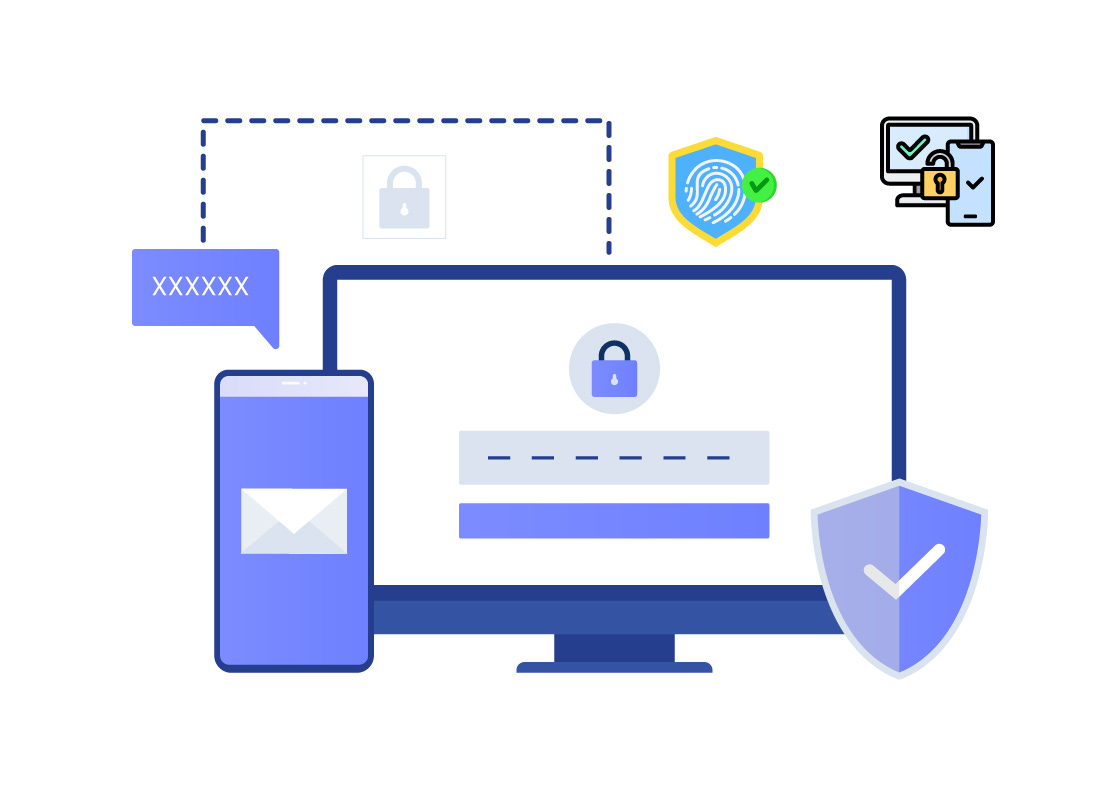
Imagine launching a new app and its API, only to discover that an attacker exploited a tiny flaw to grab sensitive data.
Scary, right?
In today’s connected world, APIs are prime targets for attack, so getting authentication and authorization right is critical.
In this blog, we’ll walk through how to lock down your APIs with proven best practices in authentication (verifying identity), authorization (controlling access), using HTTPS everywhere, and other techniques to prevent exploits.
Let’s get started!
Authentication vs Authorization: Understanding the Difference
Before diving into defenses, let’s clarify these two core concepts.
Authentication is about identity – confirming who is calling your API.
When a user or service sends a request, authentication mechanisms (passwords, API keys, tokens, etc.) verify that the caller is legitimate and is who they claim to be.
Authorization is about permissions – determining what an authenticated user or system is allowed to do.
Once identity is confirmed, authorization rules decide if that user can access a given resource or perform an action.
In short: authentication asks “Who are you?”, while authorization asks “What are you allowed to do?”.
Always Use HTTPS for Secure Communication
A fundamental rule of API security is to always use HTTPS (TLS encryption) for all client-server communication.
HTTP without encryption is like sending postcards – attackers can eavesdrop and read everything in transit.
HTTPS protects data by encrypting it end-to-end.
Without TLS, an attacker can intercept API calls and steal sensitive information like credentials, undermining any authentication measures in place.
Every API endpoint should therefore start with https://.
This simple step thwarts man-in-the-middle attacks and ensures your authentication tokens and user data aren’t exposed during transit.
Implement Strong Authentication Mechanisms
With transport secured, the next step is authenticating clients reliably before giving them access.
Here are some best practices for API authentication:
Use Tokens, Not Plain Credentials: Avoid using basic username/password authentication for API calls (especially never send credentials in plaintext or in URLs). Instead, issue API keys or tokens to consumers of your API. These tokens should be sent in an HTTP header (e.g. Authorization: Bearer <token>) and never in the query string. Treat API tokens like passwords – keep them secret, rotate them periodically, and revoke them if compromised.
Leverage Standard Protocols: For user logins, consider using OAuth 2.0 instead of a custom login. Users authenticate via a trusted provider, and you receive an access token that you can validate on each request. Tokens can also be limited in scope, granting only the permissions necessary. Using standard protocols ensures you follow known secure patterns. Likewise, use well-vetted libraries for handling auth tasks instead of writing your own.
Enforce Granular Authorization (Least Privilege)
Once a user is authenticated, make sure they only perform actions they’re allowed to.
Apply least privilege principles – give each account the minimum access necessary.
Use role-based access control (e.g. define user and admin roles) to restrict operations so that, for example, regular users can’t perform admin-only actions.
Also, enforce checks on specific resources: an authenticated user should only access their own data, never someone else’s.
Always validate that the user has permission for each resource request, to prevent Broken Object Level Authorization exploits.
By implementing these granular authorization checks in your API (and even in an API gateway or middleware layer), you close a huge security gap and ensure every request is properly vetted.
Preventing Common API Exploits
Beyond auth, secure API design means anticipating common attack vectors and blocking them.
Here are additional best practices to fortify your API:
Validate and Sanitize Inputs: Ensure all incoming data is validated for expected type and format. This prevents injection attacks like SQL injection or other exploits where malicious input could trick your backend. Use parameterized queries for database access, and never directly execute or use client-provided data without validation.
Rate Limiting and Throttling: Implement rate limits to prevent abuse and denial-of-service attacks. Limit how many requests a single client or IP can make in a given time window. This stops attackers from brute-forcing API keys or overwhelming your service with traffic. Most cloud API gateways allow you to configure such rate limiting or quota policies with minimal effort.
Monitor and Test Regularly: Log and monitor API activity for suspicious behavior, and regularly test for vulnerabilities. Keeping an eye on your logs can alert you to unusual patterns (e.g. a sudden spike in requests or a flurry of failed attempts). It’s also wise to periodically audit your API’s security through automated scanning or penetration testing to catch any weaknesses before attackers do. Staying vigilant ensures that any potential exploit is caught early.
By layering these defenses on top of strong authentication and authorization, you significantly harden your API.
A secure API isn’t just about one feature – it’s the combination of encrypted communication, proper identity checks, permission controls, and vigilant monitoring that keeps attackers out.
Conclusion
Security should never be an afterthought in API design.
By enforcing authentication, authorization, HTTPS, and diligent coding practices from day one, you make your API a much harder target for bad actors.
Remember that threats evolve, so stay informed and update your approach as needed – designing secure APIs is an ongoing effort.
Happy learning, and stay safe out there!
FAQs
Q1: What is the difference between API authentication and authorization?
Authentication is the process of verifying who a client or user is, whereas authorization determines what that identified user is allowed to do. In other words, authentication asks “Who are you?” and authorization asks “What are you allowed to do?” Both steps work together to secure an API.
Q2: How do I secure a REST API?
Securing a REST API involves using HTTPS to encrypt all traffic, requiring strong authentication (such as API keys or OAuth tokens) for requests, and implementing strict authorization checks on every endpoint. You should also validate inputs to prevent injection attacks, apply rate limiting to curb abuse, and monitor your API traffic for any suspicious activity.
Q3: Why is HTTPS important for API security?
HTTPS encrypts data between the client and server, preventing eavesdroppers from reading sensitive information. Without HTTPS, attackers can intercept API traffic and steal credentials or tamper with data, so encryption is a must for any secure API.