
Mastering the CAP Theorem: CP vs. AP Architecture in System Design
Master the CAP Theorem for system design. Learn why you must choose between Consistency (CP) & Availability (AP) during network partitions. Understand distributed replication & eventual consistency.

This blog will explore:
Scaling distributed database systems
Balancing consistency and availability
Managing sudden network failures
Making system design tradeoffs
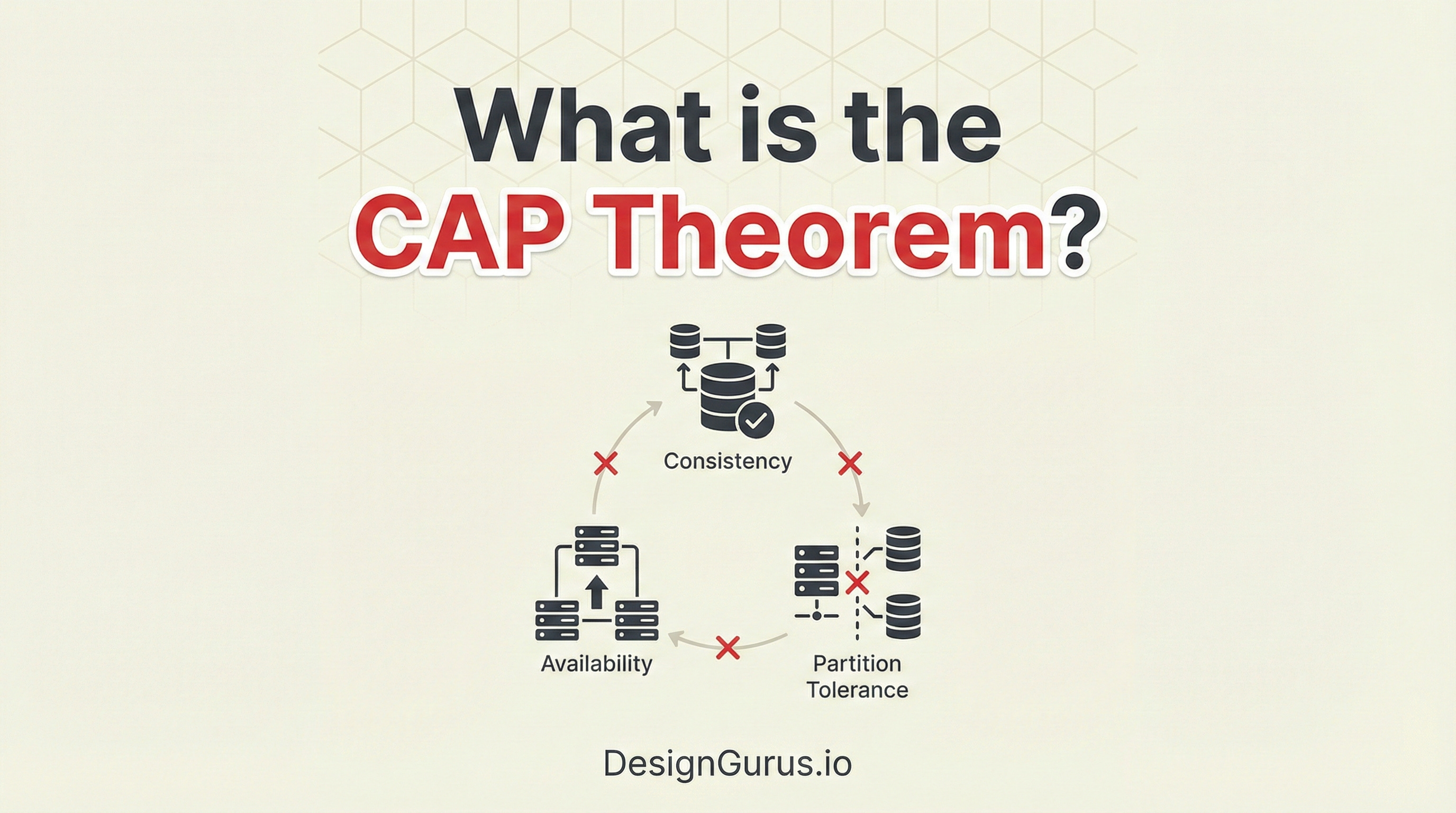
Building massive software platforms introduces highly complex architectural challenges.
A standalone database server functions perfectly when application traffic remains relatively low. However, a single machine eventually hits strict physical limits regarding computational memory and processing power. When incoming network traffic spikes exponentially, the isolated server will inevitably overload and crash. The entire application instantly goes offline and completely disrupts core operational processes.
Software engineers solve this hardware limitation by connecting dozens of independent computers together.
This integrated group of machines works collaboratively to handle massive processing workloads efficiently. However, sending internal data across different physical machines introduces a completely new set of severe technical complications.
The software must automatically decide how to handle incoming data when internal communication breaks down.
The Architecture of Distributed Systems
Before diving into the underlying mathematical theorem, we must understand how these systems operate. We need to examine exactly how multiple computers coordinate to store data safely.
Moving Beyond a Single Database
When engineers connect multiple computers together over a network, they create a Distributed System.
A distributed system is a collection of independent machines that appear as one single unified computer. We refer to these individual hardware machines as Nodes within the overall database cluster.
Nodes rely entirely on physical network cables and routing hardware to share data with each other. When a client application saves a new piece of data to one node, that node must forward it.
This specific internal sharing process is called Data Replication. Replicating data ensures that if one node loses power, the other nodes still hold a secure copy.
The Fragility of Physical Networks
Data replication works perfectly when the physical internal network remains completely healthy. Nodes send digital messages back and forth instantly to confirm data updates and mathematical calculations.
Unfortunately, perfectly healthy networks simply do not exist in the world. Physical hardware degrades over time, and routine communication delays are mathematically inevitable.
Network data packets travel across physical wires and optical routers to reach different nodes.
A hardware router might temporarily lose power, or a wire might become unplugged accidentally.
When this happens, nodes can no longer exchange their background synchronization messages. This sudden communication blackout completely breaks the illusion of a single unified database.
Decoding the Three Pillars of CAP
The CAP Theorem dictates the fundamental limitations of these distributed computing architectures. The acronym stands for three distinct architectural properties that engineers must evaluate.
These properties are Consistency, Availability, and Partition Tolerance.
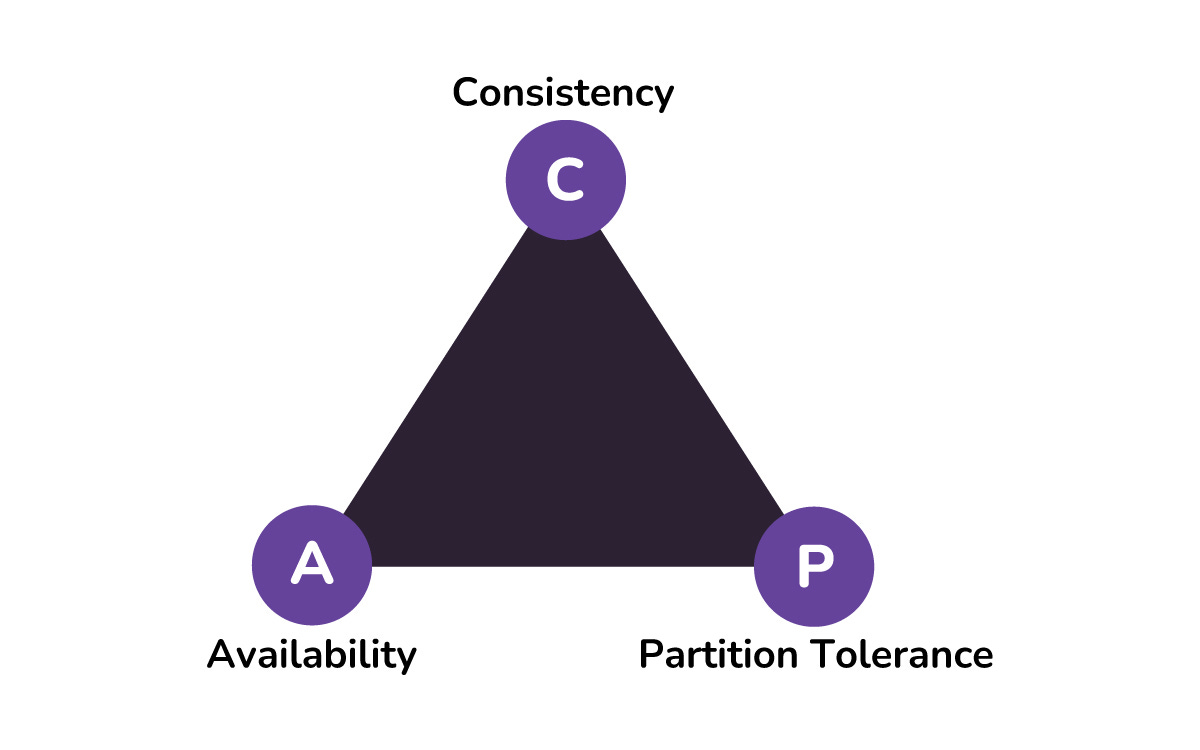
The theorem mathematically states that a distributed data store can only provide two of these three guarantees. To truly understand why this strict limitation exists, we must examine each individual property closely. An incorrect choice here will cause severe data corruption or total application downtime.
The Guarantee of Consistency
In this specific context, Consistency dictates that every single read request receives the most recent write operation.
If a data variable is updated on one node, that update must instantly apply everywhere.
Keep reading with a 7-day free trial
Subscribe to System Design Nuggets to keep reading this post and get 7 days of free access to the full post archives.